Why Gin Bar NYC Is a Great Choice for Corporate Gatherings
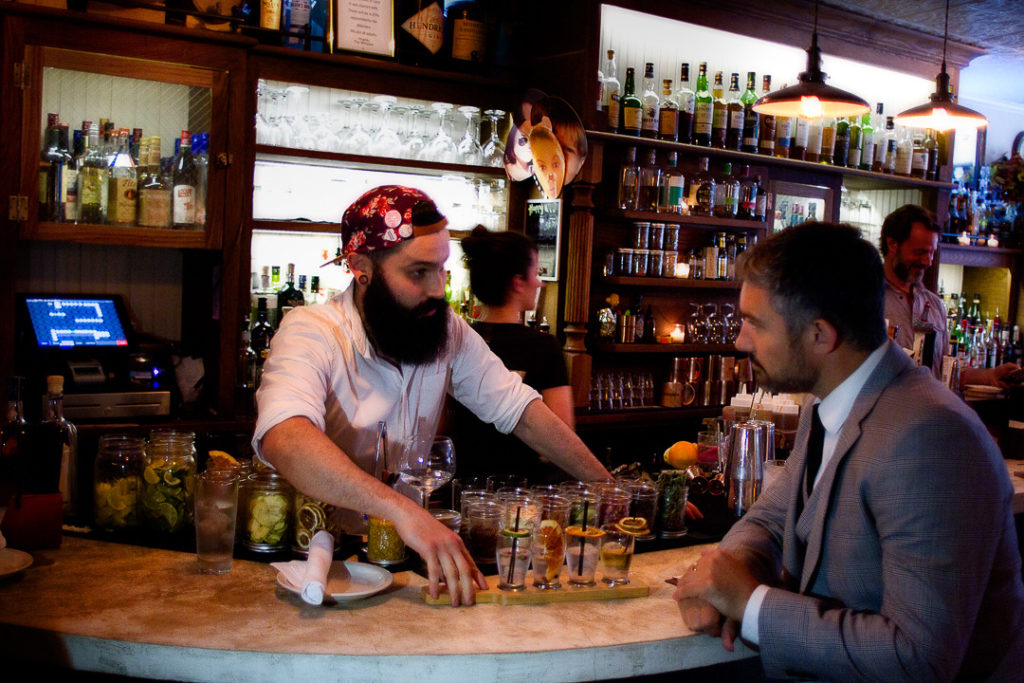
Choosing a venue for a corporate gathering in New York is rarely as simple as finding a room that looks good in photos. The right setting has to support the purpose of the event, make guests feel comfortable quickly, and reflect well on the host company without seeming forced. That balance is harder to strike than many teams expect. Board dinners, client mixers, holiday parties, leadership offsites, recruiting receptions, and milestone celebrations all ask for something slightly different. Yet they share the same pressure point: people need to connect naturally, not just occupy the same space.
That is where a well-run Gin Bar NYC venue stands out. It offers a specific atmosphere, but not one so narrow that it excludes broad groups. It feels elevated without drifting into stiff formality. It gives event planners a built-in point of interest, but the focus stays on the gathering rather than on a gimmick. In a city packed with restaurants, rooftop lounges, hotel bars, and private dining rooms, that combination is more valuable than it first appears.
A gin-focused bar also tends to signal taste and intent. Guests understand they are being invited somewhere with personality. At the same time, gin as a category is flexible enough to serve a wide range of drink preferences, from crisp martinis to low-ABV spritzes to alcohol-free botanical options. For corporate groups, that range matters. The best work events do not make people feel managed. They make it easy for different personalities and preferences to coexist in the same room.
The venue shapes the conversation before anyone speaks
People often underestimate how much the room itself influences behavior. You can watch it happen within the first ten minutes of any corporate event. In a loud sports bar, guests raise their voices and break into small, closed circles. In a formal steakhouse private room, many default to business talk and stay seated with the people they already know. In a generic event space, there is little for guests to react to, so the energy depends almost entirely on the guest list.
A strong gin bar tends to create a better middle ground. The lighting is usually softer than in a restaurant dining room, but more intentional than in a banquet space. The design often has texture, whether that means polished wood, tile, brass accents, vintage glassware, or a back bar that gives the room visual depth. Those details matter because they create immediate social cues. Guests walk in and relax a fraction. They sense that the event has been considered.
That shift may seem small, but it changes the tenor of the night. A client is more likely to linger over a second round when the room feels inviting. A junior employee is more likely to approach a senior leader when the setting does not feel rigid. A cross-functional team that spends most of its time in meetings may finally have a conversation that is not agenda-driven. Venues cannot manufacture chemistry, but they can remove friction. Good corporate hospitality is often just that: reducing friction so people can interact like people.
Gin works surprisingly well for diverse guest lists
One reason a Gin Bar NYC location suits corporate events is that gin itself is broader than many guests expect. People who think they do not like gin are often reacting to one style, usually a sharply juniper-forward London dry poured in a drink that was stronger than they wanted. In practice, modern gin programs often include floral, citrus-led, herbaceous, and softer contemporary styles. That gives bartenders more room to tailor drinks to the person, not just to the menu.
For event hosts, that flexibility is useful. Corporate guest lists are rarely uniform. You might have seasoned executives who want classic cocktails, younger staff who prefer lighter drinks, clients who value craft spirits, and guests who drink very little or not at all. In a venue built around gin, the bar team usually knows how to ask the right questions and steer someone toward a drink that fits. That interaction becomes part of the hospitality.
It also helps that gin plays well in several formats. It can anchor a polished martini service for an executive dinner. It can support refreshing highballs during a summer networking event. It can appear in batch cocktails for faster service at larger receptions. It can even provide the backbone for spirit-free drinks built around botanicals, tonics, citrus, and herbs, which is increasingly important at work functions. When a venue understands this range, the beverage program becomes inclusive rather than exclusionary.
I have seen this play out at mixed-attendance events where the original concern was that a spirit-focused venue might feel too niche. In reality, guests often appreciate a place with a point of view, especially when the staff can translate that point of view into approachable options. The issue is not whether the venue specializes. The issue is whether it knows how to host.
It feels more intentional than the usual corporate choices
There is a reason so many work events blur together in memory. They are held in rooms designed to offend no one and inspire no one. Neutral hotel bars, private dining rooms with no character, and event spaces with generic catering can all function adequately, but few leave a strong impression. If your team is investing time and budget in bringing people together, adequacy is a low bar.
A gin bar can communicate a different message. It suggests care, but not extravagance for its own sake. That nuance matters in corporate settings, where guests notice when a host overspends in a way that feels performative. A good bar setting can feel thoughtful rather than flashy. It says, we wanted somewhere pleasant, well-run, and memorable. That tends to land well with both clients and internal teams.
This matters especially in New York, where people have strong expectations around hospitality. Many guests have been to enough events to spot the difference between a venue selected from a procurement list and a venue chosen with some taste. That does not mean every event needs a trendy address. It means the setting should feel aligned with the purpose. For a relationship-driven event, atmosphere can do more work than spectacle.
The scale is often ideal for meaningful networking
Corporate gatherings succeed or fail on flow. Too small, and the room feels exposed. Too large, and guests fragment into isolated pockets. Many gin bars occupy a useful middle scale. They often have enough space for movement and mingling, but not so much that the energy drains out of the room. This is especially effective for groups in the 20 to 80 range, though some venues can go smaller or larger depending on layout and private buyout options.
That scale supports the kind of networking most companies actually want. Very few professional events need hundreds of people moving through a cavernous room. More often, the goal is a series of quality interactions: a prospective client meeting a leadership team, colleagues from different offices reconnecting, or candidates getting a real feel for company culture. A bar with the right footprint makes those moments easier.
Standing receptions also work better when guests have natural anchors. At a gin bar, the bar itself is one anchor. Banquettes, high tops, and smaller seating clusters provide others. People Gin Bar NYC can circulate without looking lost. They can break away from one conversation and enter another without making a production of it. These details sound minor until you host an event in a room that lacks them. Then you see how quickly awkwardness compounds.
Service quality usually matters more than décor, and good bars know this
The strongest argument for a Gin Bar NYC venue is not the spirit selection or the aesthetic. It is service. Well-run bars live or die by pacing, attention, and the ability to read a room. Those skills transfer directly to corporate events. Bartenders and floor staff who are used to hospitality at a high level can make a gathering feel effortless, even when there are dozens of moving parts behind the scenes.
For planners, this has practical consequences. Fast first-round service reduces bottlenecks at arrival. Skilled bartenders can guide uncertain guests without holding up the line. Staff who understand timing can coordinate passed bites, speeches, or a toast without breaking momentum. Managers who host private events regularly know when to check in and when to stay out of the way. This is what guests remember, even if they cannot name it.
Poor service, by contrast, can undercut a beautiful room within minutes. I have seen events where hosts spent heavily on space and décor, only for the night to sag because the bar was understaffed and the team seemed unfamiliar with group flow. A gin bar that has experience with private functions often avoids that problem because service is already central to the business model.
Food and drink pairings can be more versatile than expected
Some corporate planners hear “bar” and worry that the food program will be secondary. That can be true in some venues, but it is not inherent to the format. In many New York bars with serious beverage programs, the food offering is designed to support conversation and movement. For a corporate event, that is often more useful than a heavy seated meal.
Smaller plates, passed canapés, and station-based service tend to work well in spaces where mingling is the point. Salty, bright, and textural foods also pair naturally with gin and tonic profiles. Oysters, crudo, croquettes, skewers, spiced nuts, flatbreads, sliders, citrusy salads, and well-executed fried bites all tend to fit the setting. The exact menu matters less than the alignment between pace and purpose. If guests need to network, they should not be wrestling with oversized entrées and formal place settings unless the event specifically calls for a dinner format.
This is one area where planners should ask direct questions. Can the kitchen handle dietary restrictions smoothly? Will there be enough substantive food if the event spans several hours? Is there a plan for guests arriving at different times? The best venues have clear answers because they know a polished beverage program is only half the experience.
It offers built-in talking points without feeling staged
Corporate events go better when guests have something easy to discuss that is not work, especially in the first half hour. A gin bar naturally provides that opening. The back bar, cocktail list, garnishes, glassware, and the simple question of what someone is drinking can all spark low-pressure conversation. This matters more than many hosts realize.
At a recruiting event, that can help candidates feel less scrutinized. At a client event, it can soften the transition from formal business interaction to more personal rapport. At an internal gathering, it can draw out colleagues who are less comfortable forcing small talk. People do not need to know anything about gin for this to work. The venue gives them a shared reference point.
There is a meaningful difference between a venue with atmosphere and a venue with gimmicks. Guests usually sense when an experience has been designed around social media moments rather than actual hospitality. A gin bar generally avoids that problem because the interest comes from craft and setting, not spectacle. The room gives people something to engage with, but it does not demand performance.
Budget can be easier to control than many expect
New York event budgets can escalate quickly, especially when companies default to large venues, fixed banquet packages, or high-minimum restaurants in prime neighborhoods. A gin bar can offer more control if the terms are structured well. Partial buyouts, full buyouts on slower nights, drink packages, consumption-based tabs, and curated food menus can all create room to shape spend around the event’s actual needs.
That said, there are trade-offs. A highly sought-after venue in Manhattan may still command a substantial minimum, particularly in December or during peak after-work hours. Specialty cocktails and premium spirits can also push the bar bill higher if there are no guardrails. Good planning matters. In my experience, the most cost-effective approach is not necessarily the cheapest package. It is the setup that matches guest behavior. If your group tends to drink lightly and arrive in waves, a flexible consumption model may outperform a generous open bar package. If attendance is fixed and you need predictability, a package can remove stress.
A few questions help keep budget aligned with reality:
- Is the venue minimum based on food and beverage only, or are staffing and fees separate?
- Can the bar create a concise event menu to speed service and manage costs?
- What is the difference between a partial buyout and full exclusivity in practical terms?
- Are nonalcoholic options treated as an afterthought, or are they included thoughtfully?
- What happens if the final guest count changes within the last week?
Those answers tell you a great deal about whether a venue is accustomed to corporate business or simply willing to rent itself out.
Different corporate formats suit this kind of space
Not every work event belongs in a gin bar, but more formats fit than people assume. The key is matching the nature of the gathering to the strengths of the venue. A polished, conversational space is ideal when interaction matters more than presentations or production.
The following event types are especially well suited:
- Client appreciation evenings where hospitality and conversation matter more than formal agenda.
- Team celebrations such as promotions, deal closings, anniversary milestones, or holiday gatherings.
- Recruiting receptions where candidates need an authentic sense of company personality.
- Leadership or board dinners that benefit from privacy, strong service, and a discreet atmosphere.
- Cross-industry networking events where the venue itself helps break the ice.
By contrast, if your event requires a large stage, extensive AV, breakout rooms, or all-day conference infrastructure, a bar may not be the right primary venue. In those cases, it can still work beautifully as the evening component after meetings elsewhere.
Location in New York changes the value proposition
Part of what makes a Gin Bar NYC option attractive is context. New York guests often travel from different boroughs, offices, hotels, and transit lines. A centrally located bar in Manhattan can reduce logistical drag and increase attendance, especially for after-work gatherings. Neighborhood also influences mood. Midtown may suit finance, law, and business-travel-heavy groups. Flatiron, NoMad, SoHo, or the West Village might better fit creative, media, startup, or fashion-adjacent teams. The point is not trendiness. It is fit.
Accessibility should be weighed carefully. An intimate bar with charm loses value if guests spend forty-five minutes figuring out how to reach it. The strongest venues combine character with convenience. Nearby subway access, manageable street traffic, clear signage, and a comfortable arrival experience all matter. If out-of-town clients are attending, proximity to major hotels can be a deciding factor.
This is another reason to think beyond aesthetics. In a city where time is the scarcest resource, a venue that makes attendance easy will often outperform a more glamorous location that creates friction.
Privacy and noise require honest assessment
A common concern with bar venues is whether guests will be able to hear each other. It is a fair question. Some bars are simply too loud for productive conversation, particularly if they prioritize nightlife over hospitality. But this is not a reason to dismiss the category. It is a reason to vet properly.
A good corporate-friendly gin bar will be able to explain its sound profile across different nights and spaces. Some have private rooms or semi-private sections that preserve energy while controlling noise. Others can lower music or tailor layout for business events. The goal is not silence. A little ambient noise is often useful because it creates privacy between conversations. The issue is whether guests can speak comfortably without shouting.
Privacy matters for another reason: discretion. Client discussions, leadership conversations, and recruiting interactions are often better held in spaces that feel separate from the general public. Full buyouts, partial buyouts with physical separation, or rooms with controlled access can solve this. Event planners should ask to visit during the same time window they intend to book. A midday site tour tells you almost nothing about a venue’s true evening personality.
The best events feel effortless because the planning was not
A successful corporate gathering in a gin bar usually reflects disciplined preparation. Guest count, room flow, check-in, coat handling, timing of food, speech placement, menu edits, and payment structure all need clarity. The reason these events can feel easy is that the host and venue handled the hard decisions in advance.
What I recommend most often is a short planning conversation that focuses on guest behavior rather than abstract preferences. Will people come directly from the office and want quick first drinks? Are they likely to eat enough to need substantial passed food early? Is the host trying to encourage mingling or protect a few key client relationships with more intimate seating? Answers to those questions shape the setup far more effectively than broad statements like “we want something upscale but relaxed.”
When a venue team understands corporate dynamics, they can advise on details that save the night. They may suggest opening with a simple signature gin highball to move arrivals faster, then offering broader options once the room settles. They may recommend positioning senior hosts near the entrance rather than burying them at the back. They may know that a 7:00 p.m. Toast works better than 7:30 p.m. Because attention drops once guests have dispersed into deeper conversations. These are operational judgments, not just stylistic ones, and they are often the difference between a good event and a forgettable one.
Why this choice tends to age well with guests
The strongest compliment any corporate venue can receive is that guests would willingly return on their own. That suggests the event took place somewhere with genuine appeal, not just temporary functionality. A gin bar often meets that standard. It can feel contemporary without being faddish, polished without becoming sterile, and social without pushing guests into a party mode that does not suit work relationships.
That quality matters because corporate hospitality reflects brand judgment. Every event sends a message about how a company sees itself and how it treats people. A well-chosen Gin Bar NYC venue says something positive and restrained. It suggests confidence, hospitality, and attention to detail. It creates room for business outcomes, but it does not wear those outcomes on its sleeve.
For teams trying to host gatherings that people actually enjoy attending, that is a meaningful advantage. The venue helps guests relax, supports conversation, accommodates a range of tastes, and creates a memorable experience without unnecessary theatrics. In a city with endless options and very little patience for mediocre events, that is exactly why a gin bar remains such a strong choice for corporate gatherings.
The Winslow
243 E 14th St
New York, NY 10003, United States
Phone: +1 212-777-7717
FAQ About Gin Bar NYC
How to do a gin tasting?
Start with a small pour and gently smell the gin before taking a small sip. Notice its juniper, citrus, floral or spice notes, then compare how the flavor changes with a little water or tonic. At a gin bar, ask the bartender to explain the selection and botanical pairings.
How to make the best tasting gin and tonic?
Use chilled gin, fresh tonic and plenty of ice. A common starting ratio is one part gin to two parts tonic, adjusted to taste. Choose a garnish that complements the gin's botanicals and stir gently to preserve the bubbles.
What is the smoothest tasting gin?
There is no single smoothest gin for everyone. Perceived smoothness depends on the botanical recipe, alcohol strength, serving temperature and mixer. Describe whether you prefer citrus, floral, herbal or juniper-forward flavors so a bartender can suggest a suitable style.