How Gin Bar NYC Trends Are Shaping Craft Cocktails
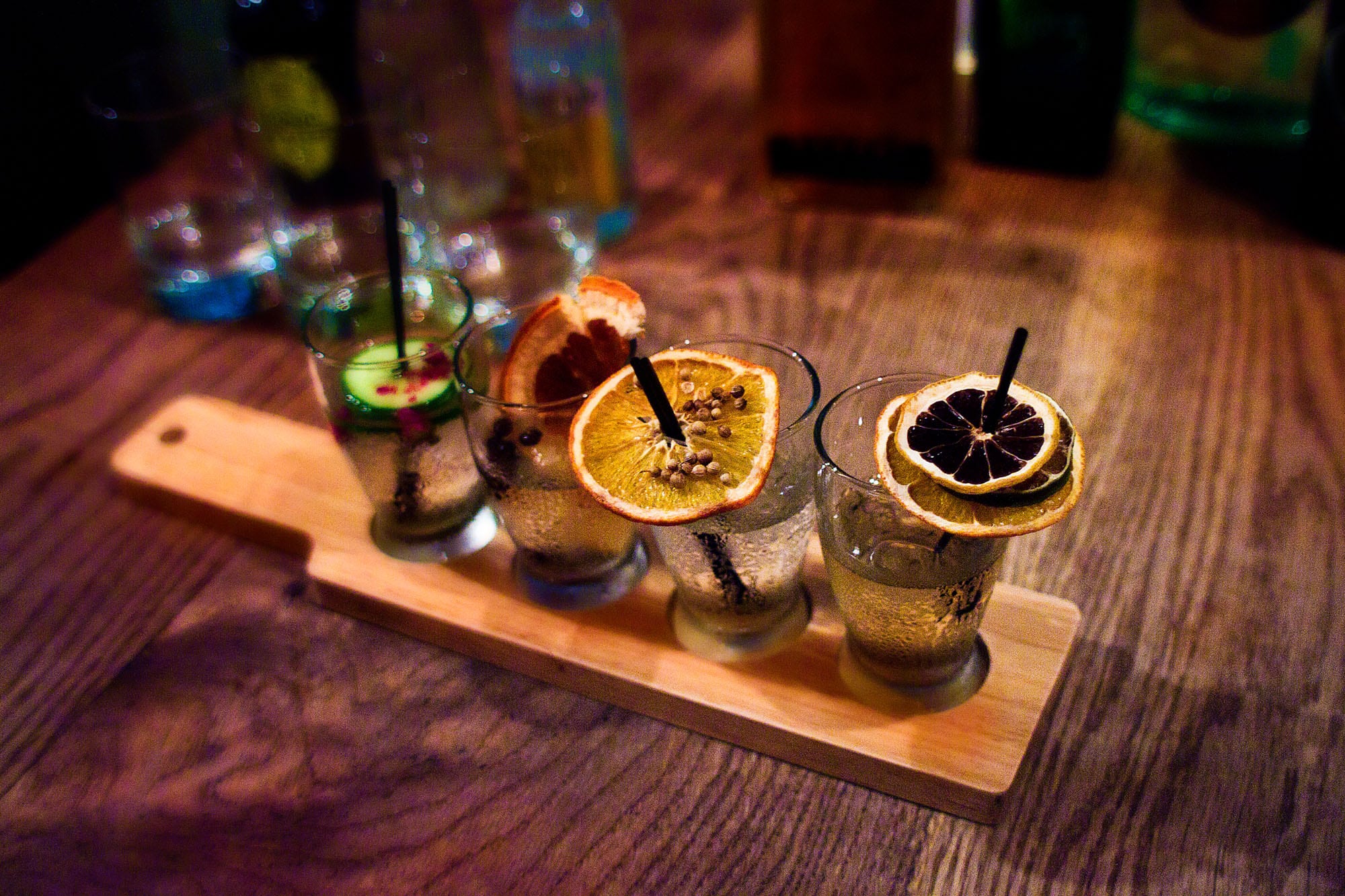
New York has always rewarded bars that know how to evolve without losing their point of view. That tension is especially visible in the city’s gin-focused scene. A strong Gin Bar NYC program no longer survives on breadth alone, or by placing a London dry on the back bar and calling it a day. It succeeds by turning gin into a language, one that speaks to guests who care about flavor, atmosphere, provenance, and the small decisions that make a cocktail feel memorable rather than merely competent.
Over the past several years, gin bars across the city have pushed craft cocktails in a few clear directions. They have expanded what people expect from botanicals. They have made martinis more exacting and more expressive. They have elevated low-ABV and no-ABV options without treating them as concessions. They have also sharpened the relationship between cocktail menus and food, service style, and even glassware. The influence runs both ways. Gin bars respond to broader drinking habits, but they also set the tone for what the rest of the cocktail market starts serving six months later.
That matters beyond the niche crowd that can debate the merits of juniper intensity for half an hour. Gin is one of the most flexible spirits in a bartender’s toolkit. When the city’s gin bars shift, a lot of cocktail culture shifts with them.
Why gin has become a testing ground for serious bartenders
Whiskey carries weight. Tequila often arrives with a built-in narrative. Rum can lean on region and production method. Gin, by contrast, gives bartenders a broad canvas. It can be brisk, citrus-driven, floral, rooty, savory, peppery, marine, or resinous. That range makes it ideal for bars that want to show technical skill without falling into gimmickry.
In New York, where menus are crowded and guests are increasingly informed, gin offers a way to signal seriousness. A carefully chosen gin flight, a freezer-cold martini with a house blend, or a seasonal highball built Gin Bar NYC around one botanical note can say more about a bar’s standards than a dozen overcomplicated stirred drinks.
I have watched this play out in real service settings. A guest who says they “don’t really like gin” often means they had one pine-heavy, badly balanced drink years ago and never revisited the category. In the hands of a knowledgeable bartender, that same guest can end up loving a softer, citrus-led gin paired with fino sherry and grapefruit oil, or a savory version with cucumber, dill, and saline. Few spirits reward that kind of guided discovery so quickly.
That is one reason a strong Gin Bar NYC identity has become influential. It attracts both experts and skeptics, and it gives bars a chance to educate without sounding like a lecture.
The martini renaissance has become more precise
The martini never really disappears in New York, but its current form reflects a very specific gin-bar sensibility. It is colder than it used to be. Cleaner. More intentional. That may sound obvious, yet the details matter. More bars are freezing glassware properly, controlling dilution with more discipline, measuring vermouth with greater care, and thinking about garnish as a flavor decision rather than decoration.
The old split between wet and dry martini preferences has widened into something more nuanced. Guests now ask about gin style, vermouth origin, olive versus twist, saline additions, freezer storage, and whether a bar uses a house blend. Those questions were once mostly confined to industry conversations. Now they show up at regular tables.
New York gin bars have played a major role in this shift. They have treated the martini as a serious menu category, not a default order. In practice, that means a guest may encounter a bright, lemon-driven martini built around a modern gin, a savory version using a whisper of onion tincture, or a deeply classic expression anchored by a juniper-forward London dry and a firm vermouth backbone. The best bars explain these differences in plain language. They do not hide behind mystique.
There is also more honesty now about temperature and dilution. A freezer martini can be brilliant, but only if the recipe is built for that format. A stirred-to-order martini can show more texture and aromatic lift, but only if the bartender has the pace and consistency to deliver it. Some bars do one better than the other. The smart ones know their lane.
This renewed precision has influenced cocktail menus citywide. Even bars that are not explicitly gin-focused have tightened their standards because guests now expect a martini to feel deliberate.
Botanical complexity is moving from novelty to structure
For years, bars flirted with unusual botanicals as a way to stand out. The problem was that too many drinks read like a shopping list. Lavender, pink peppercorn, butterfly pea flower, rosemary smoke, and elderflower can all work, but a drink collapses when every ingredient competes for attention.
The more sophisticated gin bars in New York have moved past novelty. They use botanicals structurally. Juniper still matters. Citrus still matters. A secondary botanical now tends to support the shape of the drink rather than dominate it. That sounds technical because it is. It also produces cocktails that people actually order twice.
A good example is the rise of savory and saline accents. Instead of making a drink “interesting” by loading it with unusual syrups, many bars use saline solution, fino sherry, dry vermouth, caper brine, celery bitters, or herbal distillates to deepen the profile. The result is often subtler and far more food-friendly. That matters in NYC, where many great bars also function as serious dining rooms.
Another example is the way floral notes are being restrained. A decade ago, floral gin drinks often arrived perfumed to the point of tasting like soap. Now the better versions are quieter. Orange blossom might sit behind grapefruit peel. Chamomile may soften a sour without announcing itself. Violets appear in trace amounts. This is bartending with a steadier hand.
Guests respond to that restraint, even if they cannot always describe why one drink feels polished and another feels chaotic.
Local and regional distilling has changed menu design
One of the clearest trends shaping craft cocktails is the tighter relationship between bars and distilleries, especially those in New York State and the broader Northeast. Locality does not guarantee quality, and good buyers know that. Still, regional distilling has matured enough that bar programs can build around it with confidence.
This changes menu design in practical ways. When a bar knows a producer well, it often understands not just the gin’s botanical bill but its intended use. Some gins are designed to stand up in a Negroni. Others shine in a Martini, a Collins, or a highball. That helps bartenders choose with purpose rather than defaulting to whatever distributor push is strongest that month.
There is also a storytelling advantage, although the best bars do not overplay it. Guests often enjoy learning that a gin uses local herbs, coastal botanicals, or a distillation approach that gives a softer mouthfeel. The key is connecting that information to what ends up in the glass. If a bartender says a gin includes seaweed or coriander but the drink tastes muddy, the story has failed.
The stronger Gin Bar NYC programs use local spirits selectively. They showcase producers whose bottles can compete on flavor and consistency, not just on geography. That selectiveness is healthy. It raises the standard for everyone.
Lower-proof drinking is no longer an afterthought
One of the most meaningful changes in New York cocktail culture is the treatment of low-ABV drinks. For a long time, they were menu filler, often sweet, flimsy, or vaguely apologetic. Gin bars helped correct that because gin pairs so well with fortified wines, aperitifs, aromatized wines, and sparkling mixers.
A low-proof gin drink can still carry backbone. That is the central insight. Add a measured amount of gin to blanc vermouth, gentian aperitif, clarified citrus, and soda, and you have something layered, adult, and useful at the start of a meal. Build around sloe gin, dry sherry, and tonic with a bitter citrus peel, and you get a drink that feels complete rather than compromised.
The rise of these drinks reflects guest behavior as much as bartender creativity. People are going out earlier. They are fitting drinks into work nights, long dinners, and social schedules that do not always end at midnight. They still want craft. They simply do not always want full proof.
No-ABV drinks have improved as well, though this remains a harder category. Some bars lean too heavily on sugar or acid to create the illusion of complexity. The best gin-focused programs take another route. They borrow gin’s aromatic logic, using ingredients like juniper distillate, herbs, peppers, tea, cucumber, and citrus oils to create structure without alcohol. These drinks may not mimic gin exactly, and they should not try too hard. Their success comes from delivering the same crisp, botanical pleasure.
Tonic is finally being treated like an ingredient
There was a period when premium tonic became shorthand for quality, even when nobody had thought very hard about which tonic belonged with which gin. That period is fading. The better bars now treat tonic as they would vermouth or bitters, meaning as a variable with real flavor consequences.
This is a bigger deal than it sounds. Tonic can skew dry, sweet, quinine-forward, citrus-heavy, or aggressively carbonated. A delicate contemporary gin can disappear under a loud tonic. A robust, classic gin can taste flat under one that lacks bitterness. Once bars began taking these pairings seriously, the gin and tonic stopped being a Gin Bar NYC The Winslow throwaway order and became a useful expression of house style.
At several bars, I have seen guests surprised by how distinct two simple G&Ts can be when the gin, tonic, ice, citrus, and glass are all chosen with care. One version might feel lean and mineral. Another might open with lime zest and finish on coriander. Same category, entirely different experience.
This has had spillover effects on highballs more broadly. Bartenders are paying closer attention to bubbles, dilution curves, and how carbonation lifts aroma. In a city where many bars operate under serious volume pressure, the drinks that seem simplest often reveal the most discipline.
Texture and dilution are becoming part of the conversation
For years, many guests judged cocktails by flavor alone. Now texture matters more, and gin bars have helped train that palate. When a Martini feels almost silky, or a Collins lands with unusually fine carbonation, people notice. They may not use the word “viscosity,” but they understand the pleasure.
Texture starts with choices that sound minor until you taste the outcome. Ice density affects dilution. Glass temperature affects aroma release. Clarification can alter body as much as appearance. Saline can sharpen and broaden at once. A touch of glycerin, when used sparingly and transparently where appropriate, can soften rough edges. Some bars even adjust water chemistry for batch components.
This is not theatre for its own sake. Texture often determines whether a drink feels integrated. A gimlet with fresh lime can be bracing and excellent, but one that has had its acid profile balanced and its dilution calibrated will often feel more complete. The same principle applies to stirred drinks. If the temperature is right but the body is thin, the drink may read lifeless. If the body is rich but the chill is off, the aromatics can close up.
Gin is particularly sensitive to these variables because its botanical top notes are easy to either flatten or overexpose. That is why so many advanced gin programs obsess over what looks, from the outside, like small stuff.
Food pairing is becoming more deliberate
The old image of the cocktail bar as a place where food exists only to absorb alcohol is losing ground. In New York, strong gin bars increasingly think like dining rooms. Their menus are built with pairings in mind, whether or not they say so explicitly.
This makes sense. Gin’s herbal, citrus, and savory dimensions are unusually adaptable with food. A dry Martini can frame oysters or crudo with precision. A bitter, sparkling gin aperitif can prepare the palate for fried snacks or richer small plates. A garden-driven gin sour can sit comfortably beside goat cheese, peas, herbs, and spring vegetables. A peppery, resinous build can handle charred meats or mushrooms if the sugar stays low.
The practical effect is that bartenders and kitchen teams are collaborating more closely. You see fewer cocktails that would bulldoze the first course. You also see more drinks designed to move through a meal rather than stand apart from it.
There is a business upside here too. Guests who might skip a second strong cocktail often order another round if the drink feels calibrated for food and pace. That subtlety helps revenue without making the experience feel extractive.
Service style now matters as much as recipe design
A great gin menu can fail if the service language around it is clumsy. This is another area where the top gin bars in NYC have raised the bar. They understand that many guests are curious but not fluent in spirit categories. They need guidance that is quick, accurate, and free of jargon overload.
The best servers and bartenders know how to translate. Instead of reciting every botanical in a bottle, they might say, “This one drinks bright and citrusy, this one is more savory and classic, and this one has a softer floral edge.” That is useful. It helps the guest choose based on preference rather than performance.
There is also better situational judgment now. If a four-top is celebrating and wants speed, the bartender steers them toward drinks that can be executed consistently under pressure. If a solo guest at the rail wants to compare styles, the conversation goes deeper. If someone says they usually drink tequila but want to try gin, the bartender reaches for overlap, perhaps something herbaceous, saline, or grapefruit-led.
That style of service shapes craft cocktails as much as any ingredient trend. A category grows when people feel invited into it.
What these trends mean for the broader cocktail scene
Not every bar wants to be a gin bar, and that is probably for the best. Yet the trends emerging from the city’s gin-focused venues are now visible almost everywhere. Menus have become cleaner. Martini sections have become more intentional. Low-proof builds have become more credible. Highballs get more respect. Savory profiles are less niche. Tonic, vermouth, and dilution are discussed with more seriousness.
A few operational habits are likely to stick because they solve real problems:
- Smaller, sharper menus that explain style rather than overwhelm with options.
- House Martini builds designed for consistency in high-volume service.
- Better use of freezer storage, batching, and controlled dilution for specific drinks.
- More serious nonalcoholic botanical options that mirror cocktail structure.
- Tighter integration between bar and kitchen, especially in aperitif-style drinks.
These shifts are not just aesthetic. They help bars manage labor, maintain standards, and meet guests where their preferences actually are. A concise list of excellent gin cocktails often outsells an encyclopedic menu of vague ambition.
There are, of course, risks. Once a trend becomes visible, weaker bars copy the surface details without understanding the logic underneath. Freezer martinis appear without proper recipe adjustment. Saline ends up in drinks that do not need it. “Savory” becomes an excuse for imbalance. Local gin gets listed because it is local, not because it works. New York usually corrects these mistakes quickly. The market is too competitive, and guests are too experienced.
Where Gin Bar NYC culture is likely to head next
The next phase will probably be less about spectacle and more about refinement. There is still room for visual flair, but the dominant energy feels technical, restrained, and guest-centered. I would expect to see more proprietary gin blends built for house cocktails, more experimentation with regional vermouth and aromatized wines, and more nuanced use of savory ingredients that stop short of becoming kitchen sink drinks.
I also expect stronger seasonality. Gin is often associated with warm weather because of its brightness, but that sells the category short. In colder months, the city’s better bars are already leaning into root spice, evergreen, citrus peel, black tea, and richer stirred formats that preserve gin’s architecture without forcing it into summer clichés.
Perhaps the most important development is that gin is no longer being sold as an acquired taste. In New York, it is being presented as a precise, versatile, and deeply modern spirit category. That shift matters because it broadens the audience. It turns the guest who orders the same old thing into someone willing to explore.
When a Gin Bar NYC program is working at a high level, it does more than serve good drinks. It sharpens people’s expectations for balance, hospitality, and intention. That influence travels. It reaches neighborhood cocktail spots, hotel bars, restaurants with serious beverage programs, and even home bartenders paying closer attention to vermouth storage and garnish choice.
Craft cocktail culture in New York has always moved through phases, but the strongest trends tend to come from bars that know exactly what they are trying to say. Right now, gin bars are saying plenty, with colder martinis, smarter botanicals, cleaner menus, and a level of precision that feels earned rather than fussy. The rest of the city is listening, one drink at a time.
The Winslow
243 E 14th St
New York, NY 10003, United States
Phone: +1 212-777-7717
FAQ About Gin Bar NYC
How to do a gin tasting?
Start with a small pour and gently smell the gin before taking a small sip. Notice its juniper, citrus, floral or spice notes, then compare how the flavor changes with a little water or tonic. At a gin bar, ask the bartender to explain the selection and botanical pairings.
How to make the best tasting gin and tonic?
Use chilled gin, fresh tonic and plenty of ice. A common starting ratio is one part gin to two parts tonic, adjusted to taste. Choose a garnish that complements the gin's botanicals and stir gently to preserve the bubbles.
What is the smoothest tasting gin?
There is no single smoothest gin for everyone. Perceived smoothness depends on the botanical recipe, alcohol strength, serving temperature and mixer. Describe whether you prefer citrus, floral, herbal or juniper-forward flavors so a bartender can suggest a suitable style.